Experimental production of stone tools

Month: March 2026

My step fracturey Barmson beach handaxe

This afternoon I treated myself to two of the larger slabs brought back from Barmston. The flint isn’t as good as I remembered, or the pieces worked so far aren’t. The first one worked well with the hard hammer, but it had a very hard seam in the centre that disrupted the soft hammer blows. That one ended up in the waste flint pile.
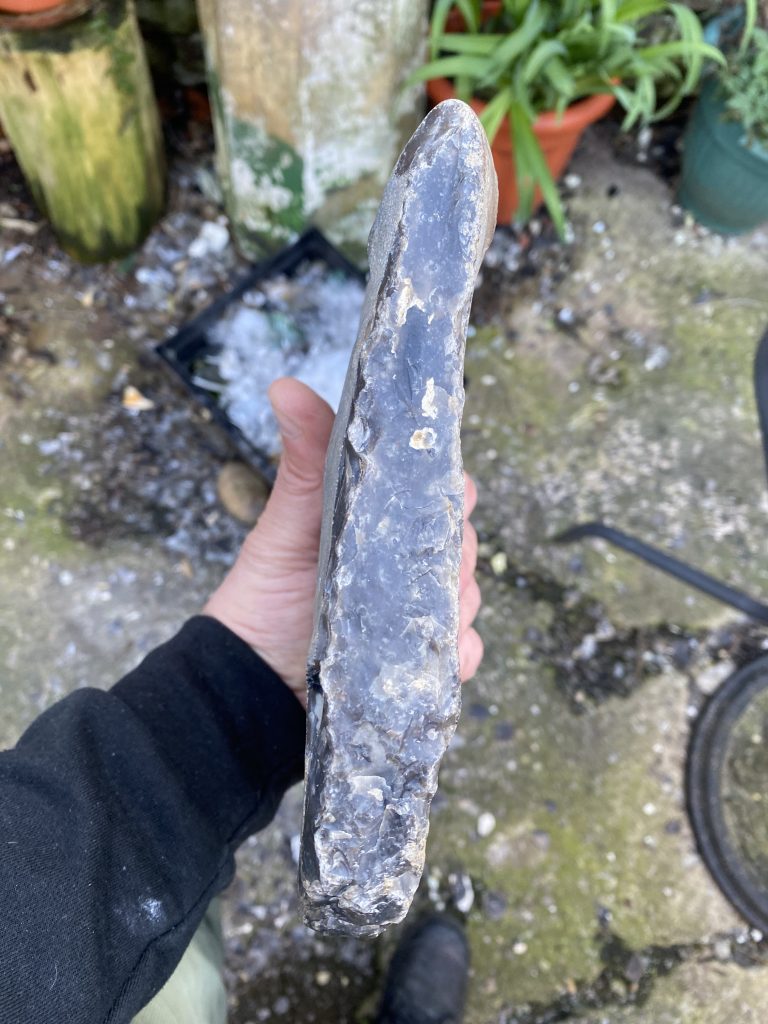
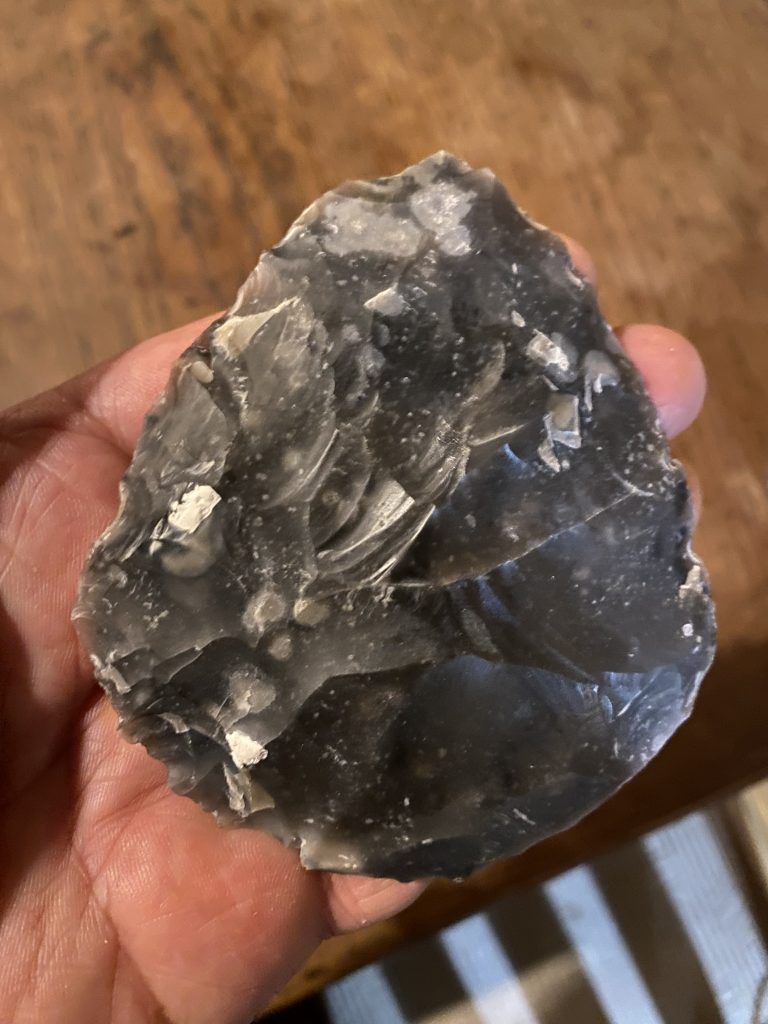
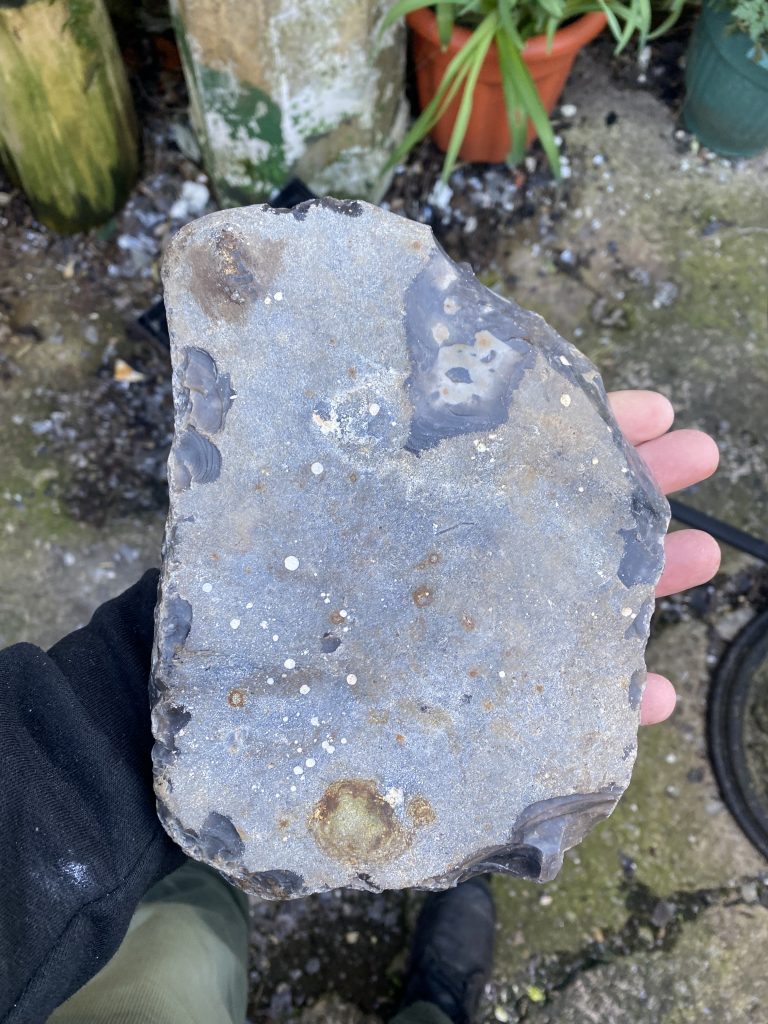
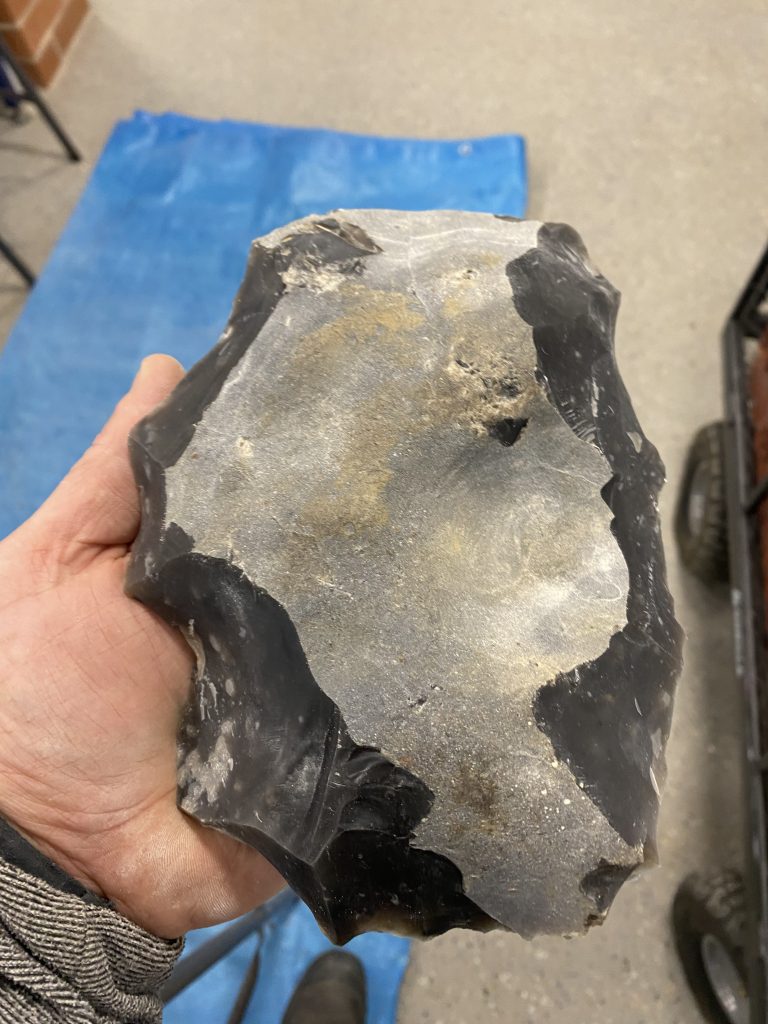
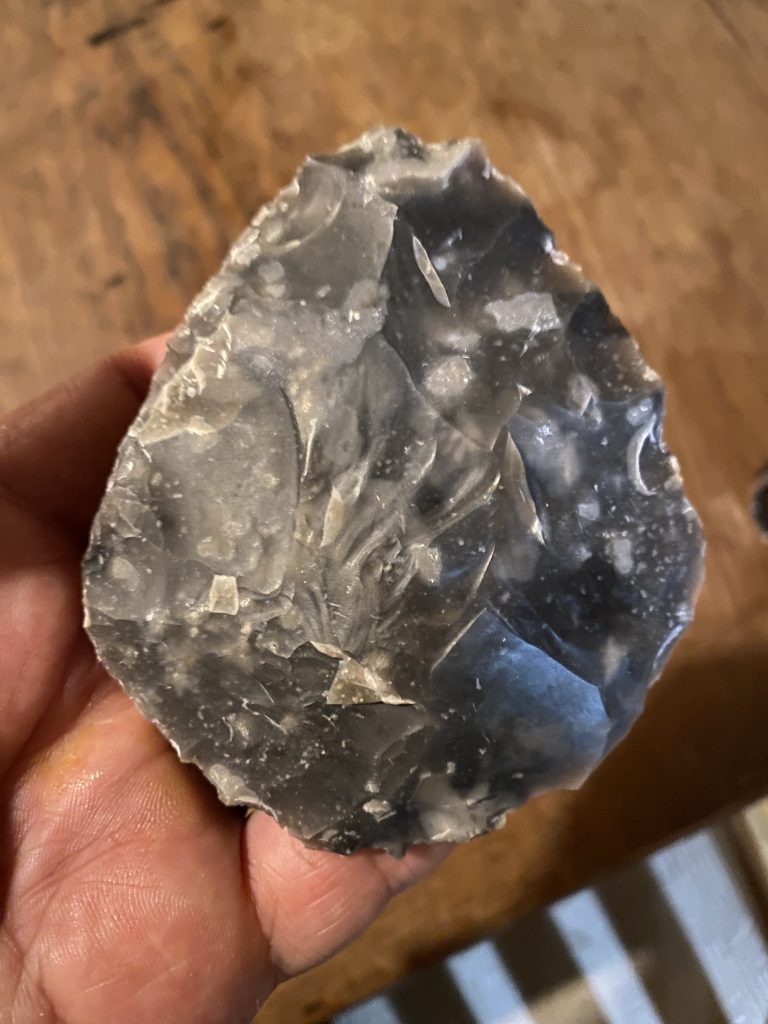
The above two photos are of the second flat tablet, and it worked a lot better than the first. I was able to get a good rough out without any major endshock, all good.
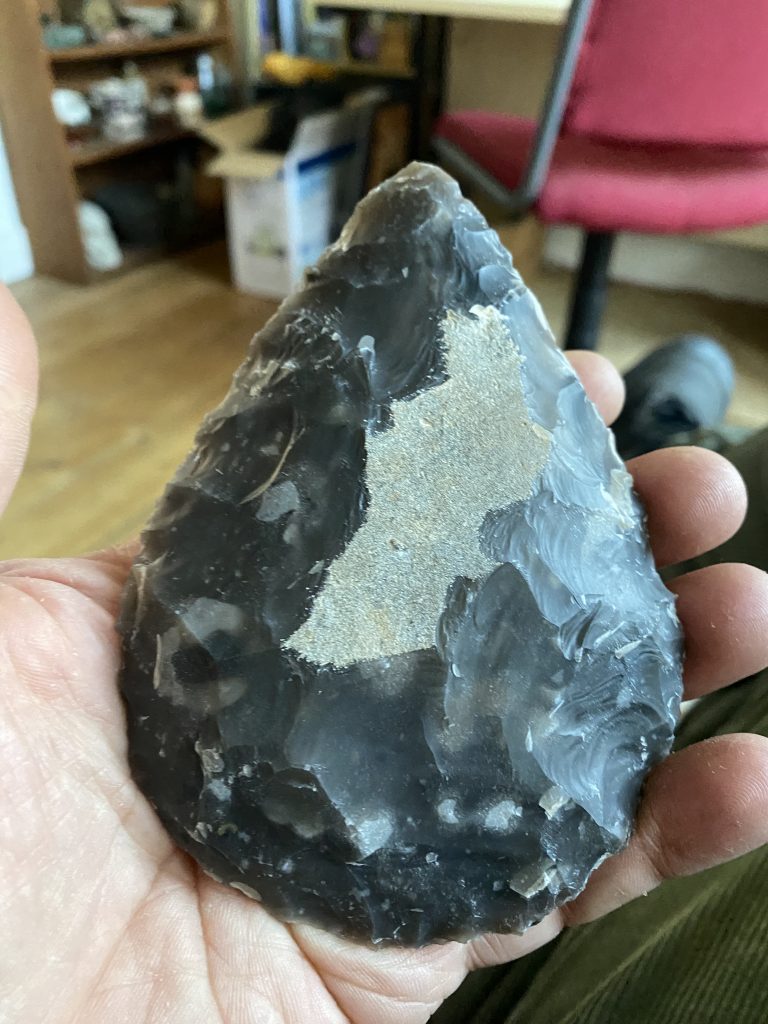
And on this side that has worked. The flint fractured approximately according to plan, the edge is sharp and I am happy with the shape.
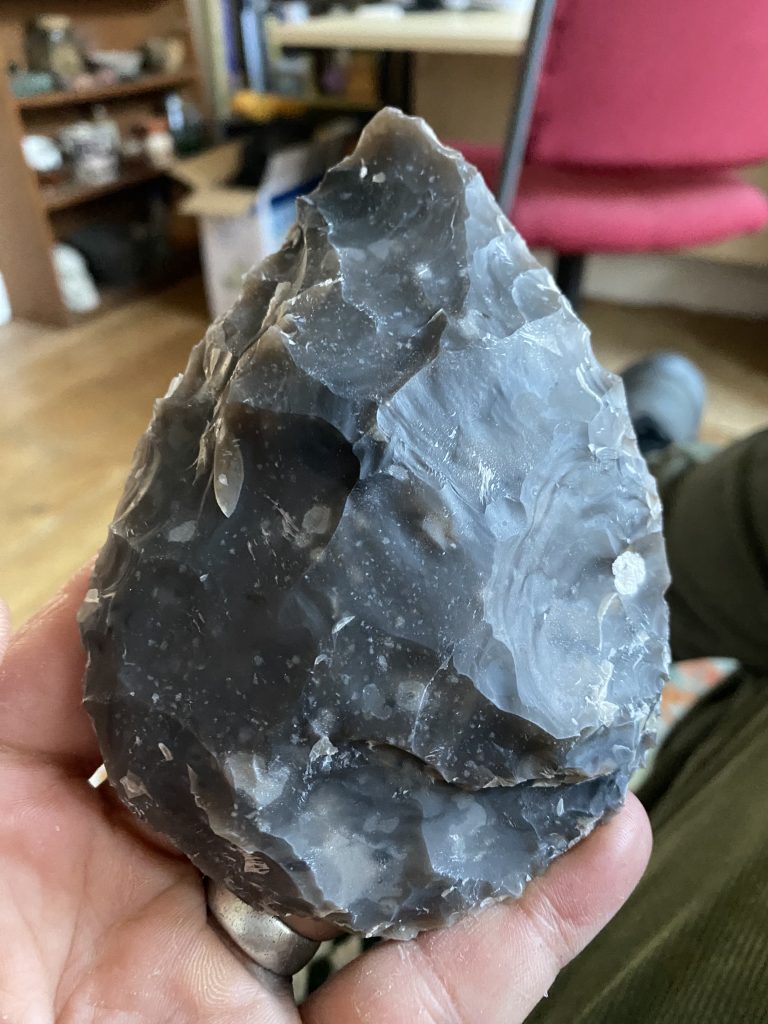
Flip it over and that’s when you spot the step fractures. That they are all on one side is, I think, something to do with how I work each surface differently, but I am not sure actually how I work it differently.
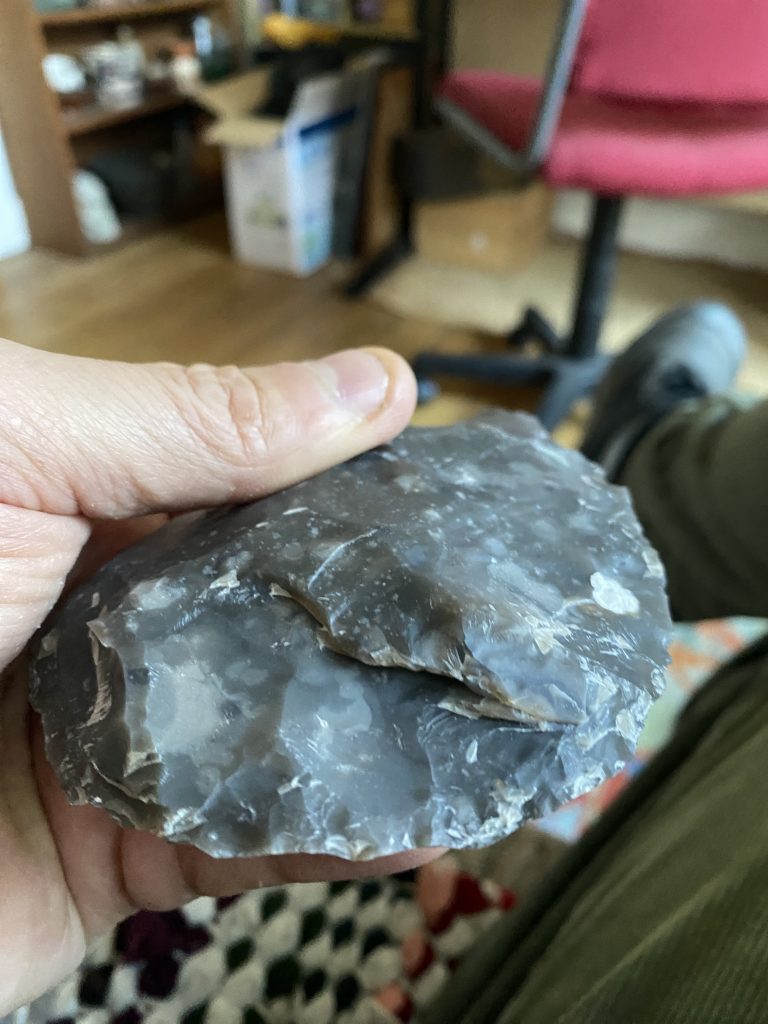
I think it may be to do with the initial turning of the edge, and by doing so I get a way in, but inevitably the angle is better on one side than the other.
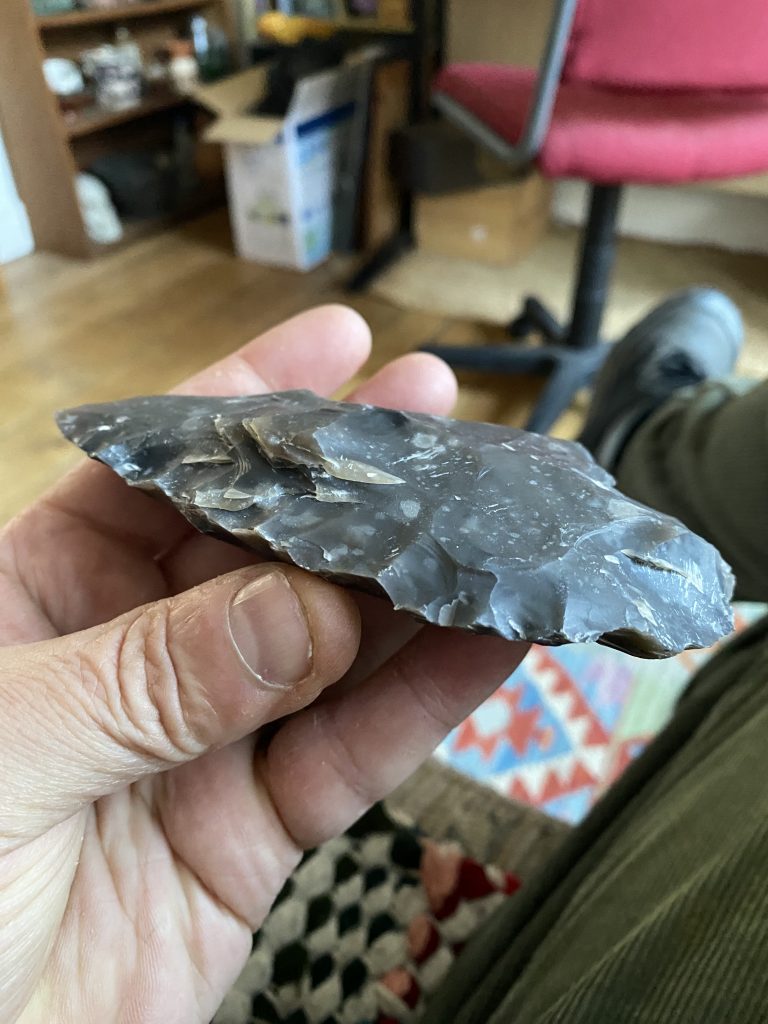
Consequently I get to do all the nice stuff on the good angle side, and then have lots of step fracture action on the other when trying to bring the second face into line but without the suitable angles. That’s my current theory anyway, and fortunately I have quite a few blocks left to play with, and find out if I am right. Watch this space…
My Barmston Beach wonky handaxe

This tabular piece of Scandinavian beach flint must have had a few adventures in its life, as it contained many more internal fractures than I expected.

Consequently, the handaxe is much smaller than I was aiming for at the start, and I realised after taking the photos that it is also wonky.

However, it does have something about it, in that it is sharp and hand size, and a product of persistence on my part. So happy days!

Our Runswick Bay, Whitby and Barmston Beach World Tour

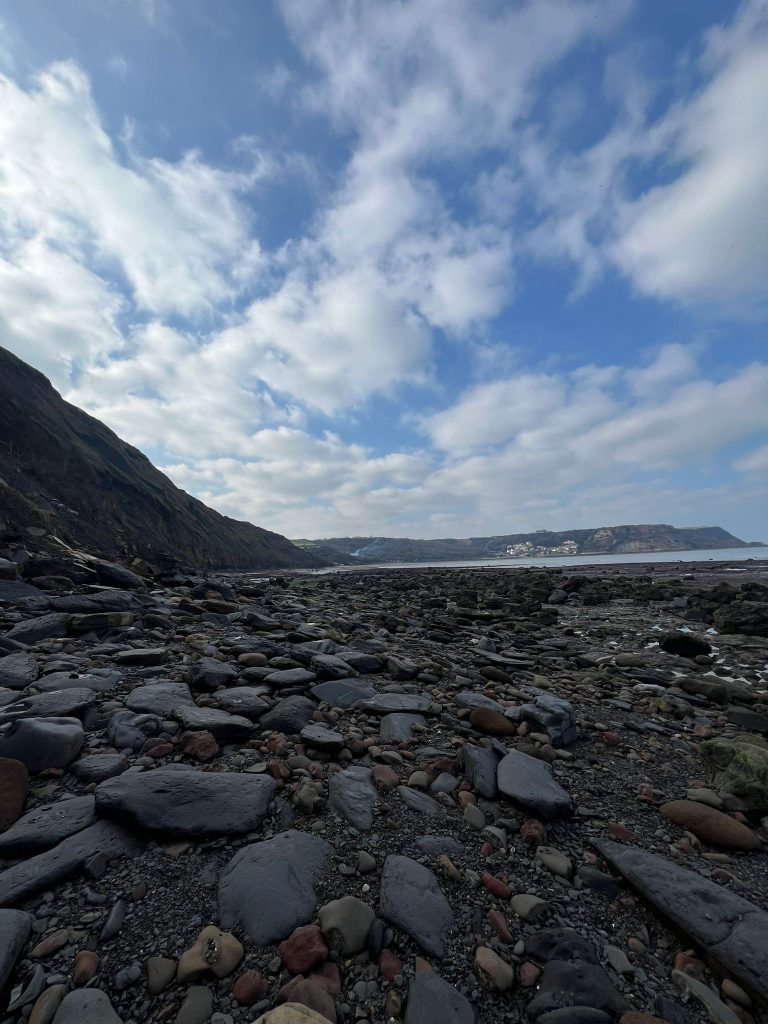
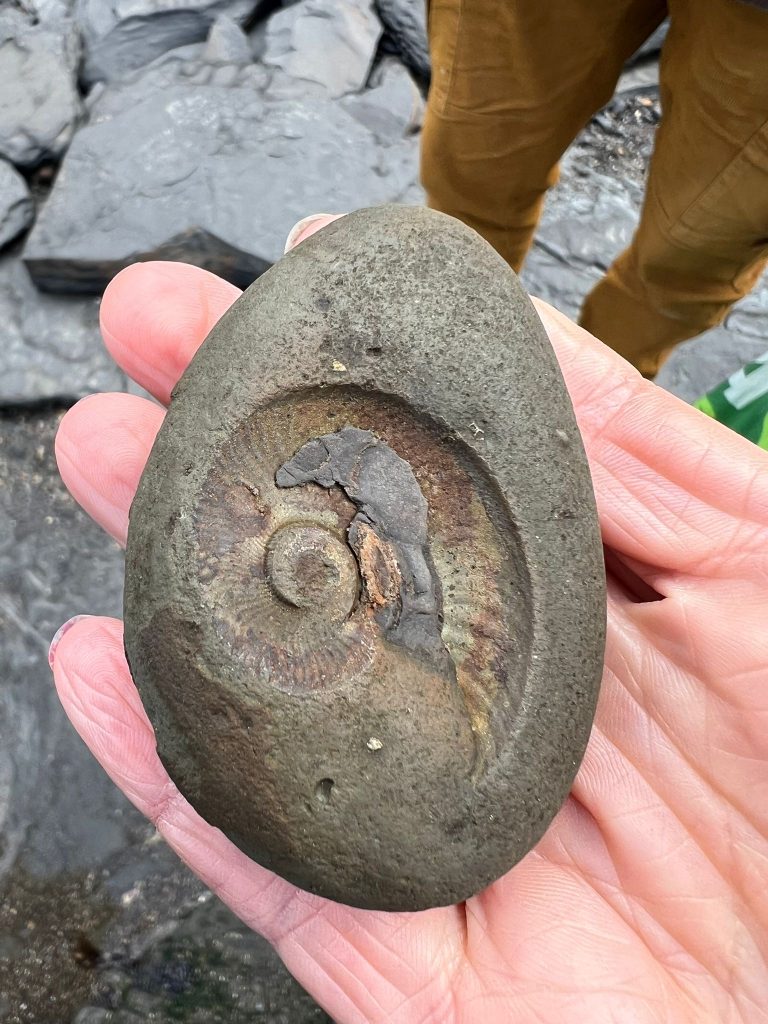
Last weekend we were rock hunting on the north east coast of England, starting out at Runswick Bay on the Saturday, looking for fossils, and small flat shale pebbles for our upcoming Star Carr type pendant workshops.

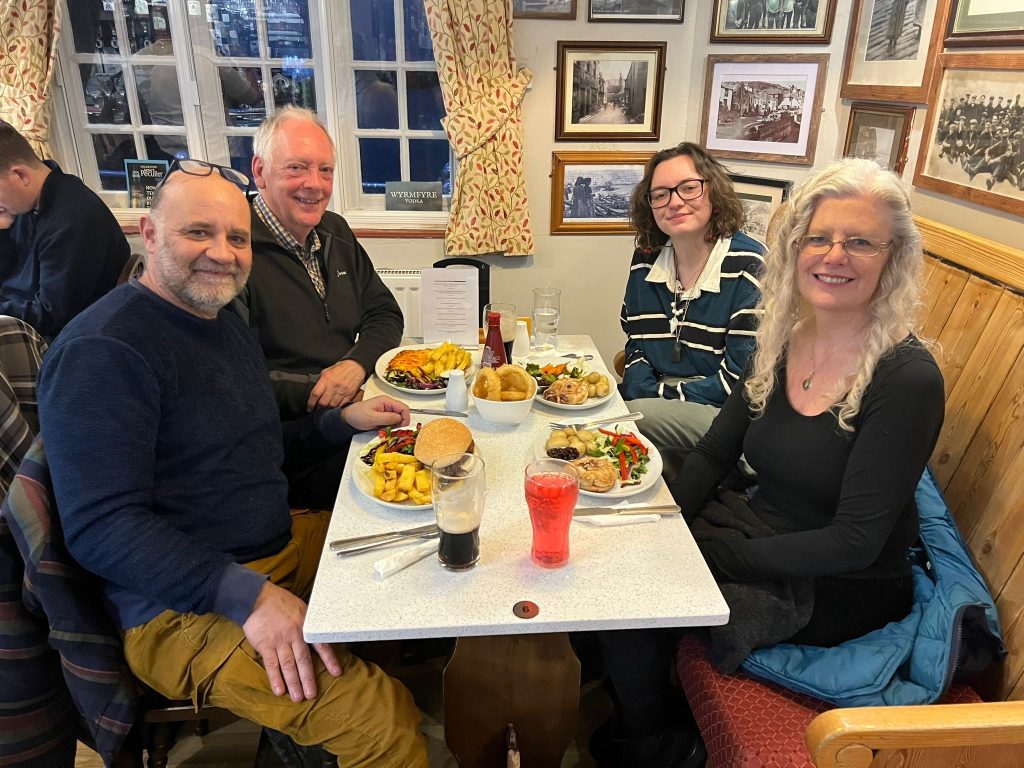
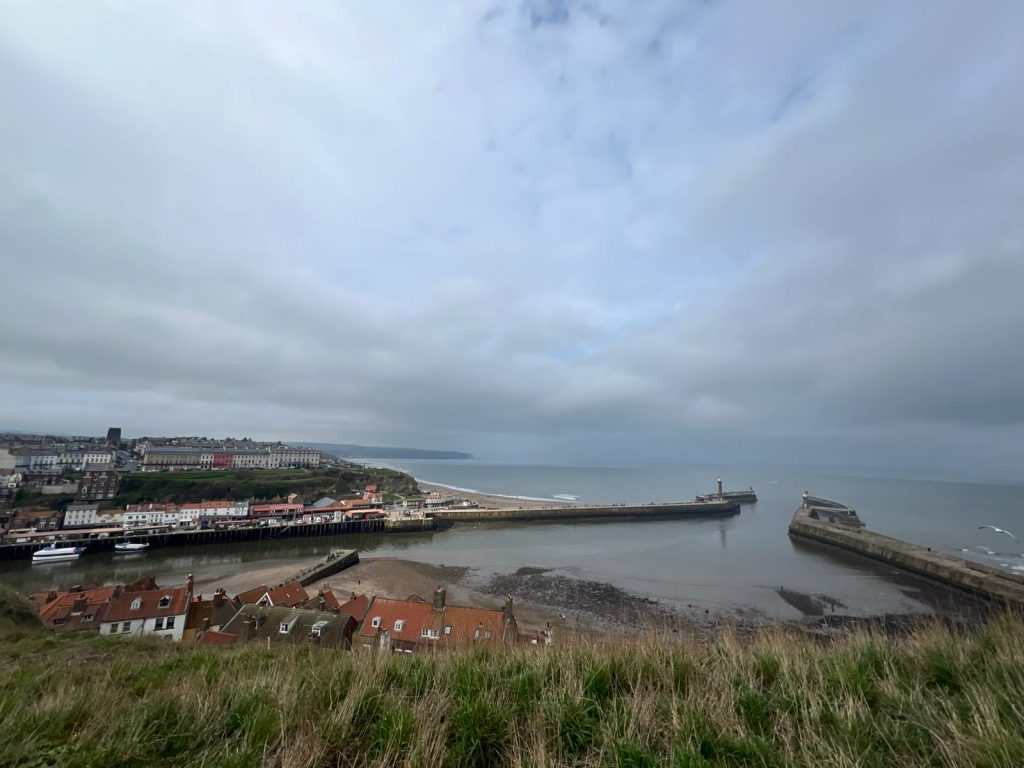
We stayed near to Runswick Bay and that evening we headed to the Cod and Lobster for out tea. The following morning we set off to have a quick look around Whitby.

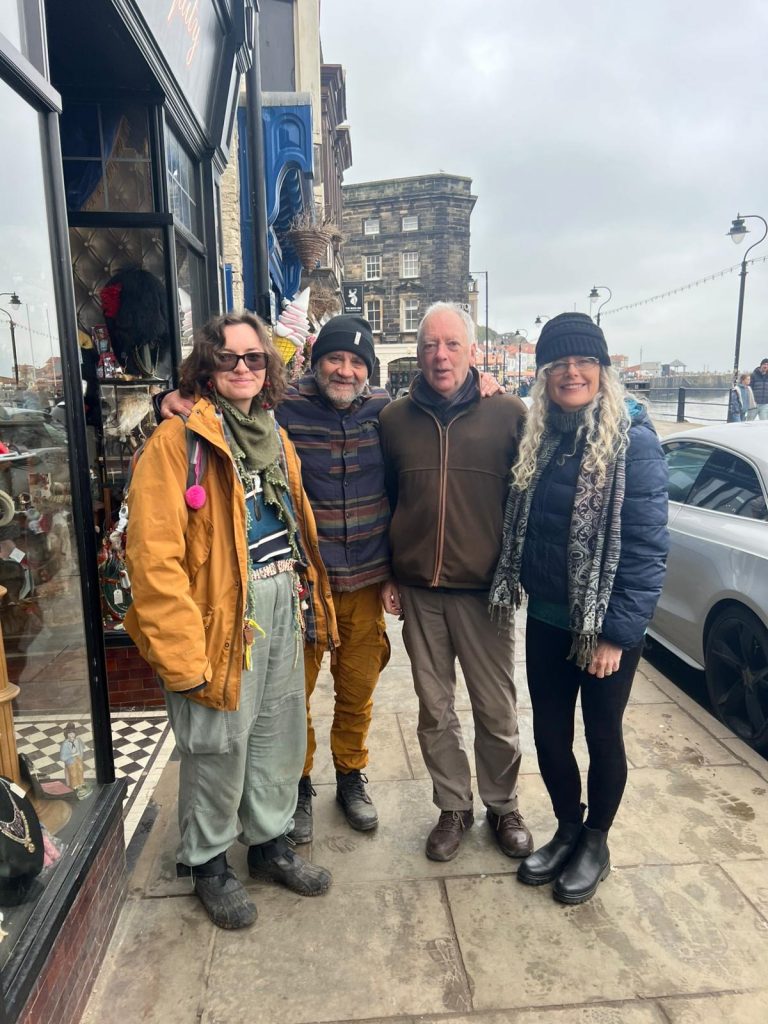
I suppose we are actually a ‘rock band’ as the thing that brought us together for this weekend was…rocks. From left to right, Laura, me, Stephen and Karen.

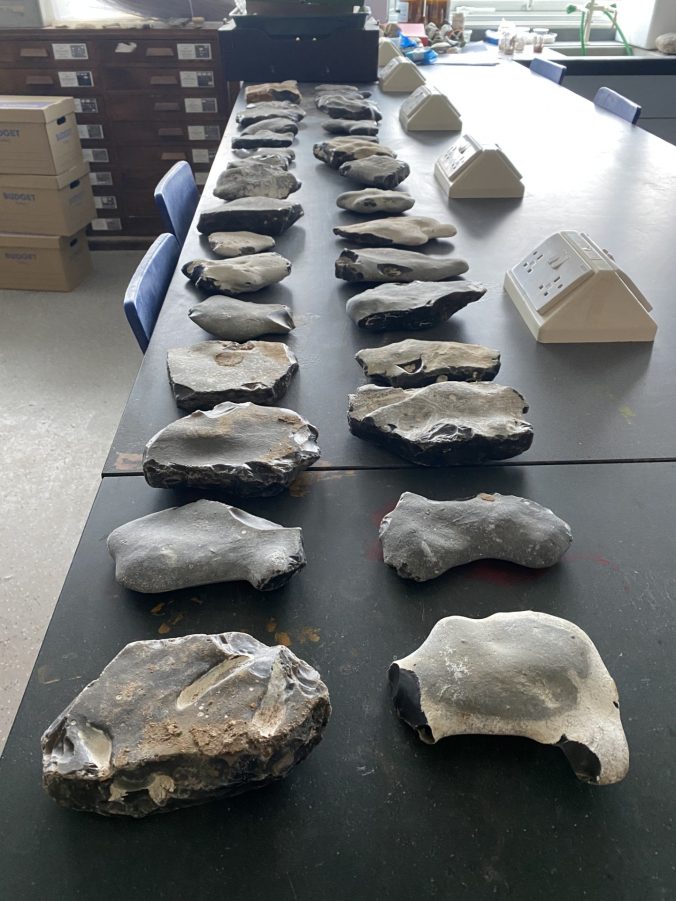
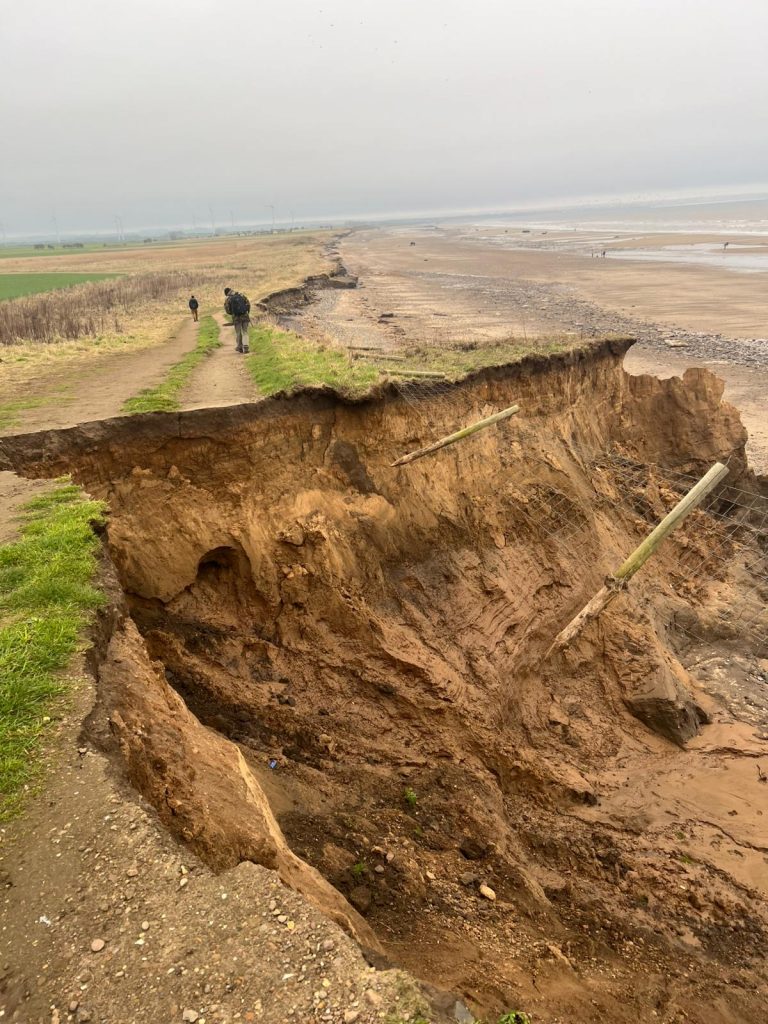
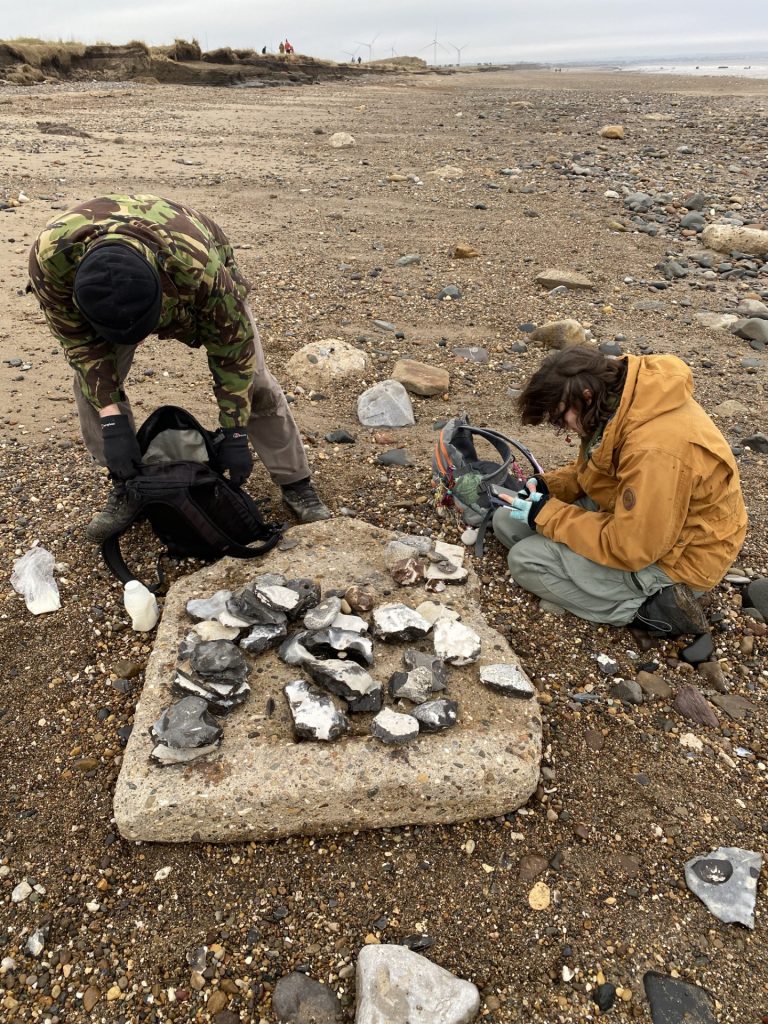
From Whitby it is approximately one hours drive to Barmston Beach, home of really nice tabular beach flint. According to my geology source (Stephen), this flint was carried over on glaciers from Scandinavia during the Pleistocene and deposited at Barmston when the glaciers melted. The flint was subsequently buried and is now being washed out by the encroaching sea.

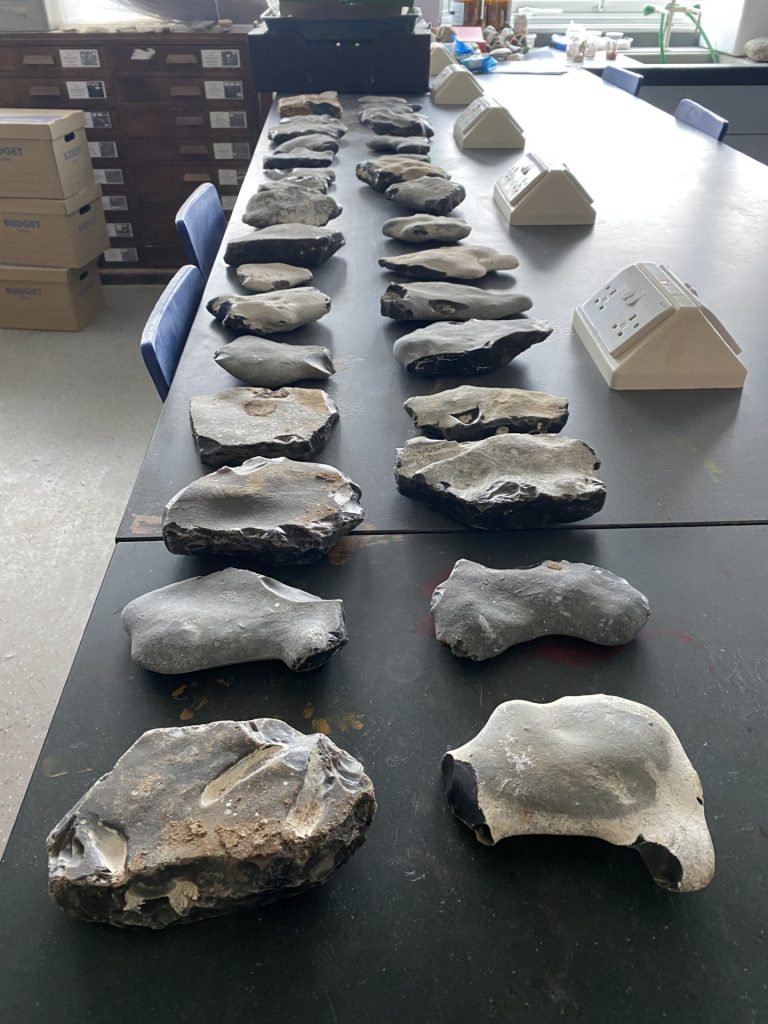
Today, I am in Chester and I have brought about a dozen nodules with me for my teaching session this afternoon. I find these tabular pieces usually of good quality, unless they have been rolled a lot on the beach. They are also an ideal size for handaxe making, which coincidentally is this afternoon’s goal.

© 2026 Learning Through Making. All Rights Reserved.

Up ▴